 Save to Pinterest
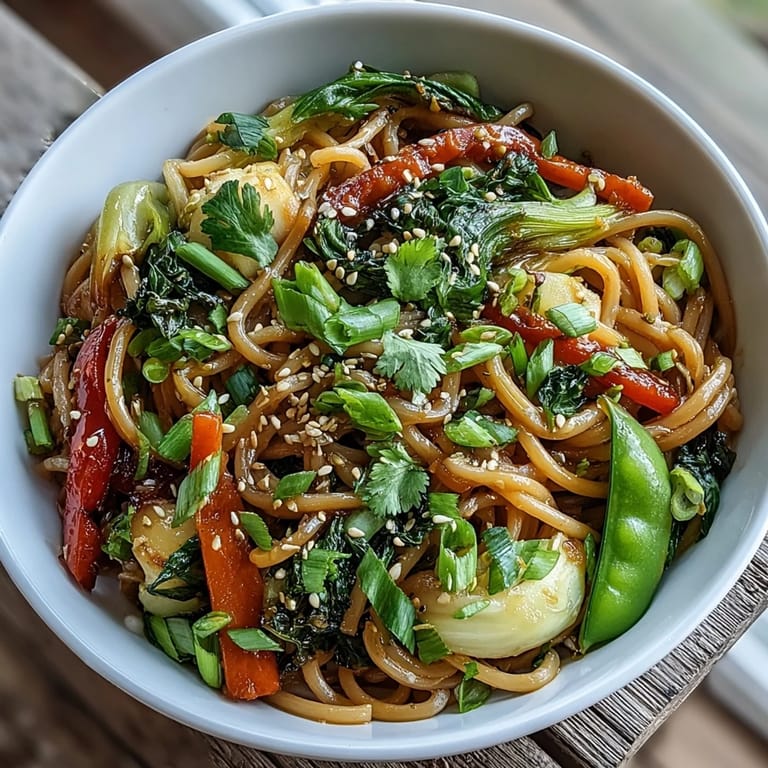
 There's something almost meditative about the moment when those translucent shirataki noodles hit the hot pan and suddenly transform from something that feels impossibly light into something with real presence. I discovered this bowl on a Tuesday when I was tired of feeling sluggish after lunch, tired of the carb crash that came with my usual meals. What started as an experiment in eating differently turned into something I genuinely crave, and not because it's virtuous, but because it tastes alive.
My neighbor poked her head over the fence one evening while I was stir-frying and asked what smelled so good. When I told her it was mostly vegetables and these peculiar noodles, she looked skeptical until I handed her a bowl. Watching her face change—from skepticism to genuine surprise to asking for the recipe—that's when I knew this wasn't just another health-conscious compromise. It was actually delicious.
Ingredients
- Shirataki noodles (400 g, drained and rinsed): These deserve their own moment—rinse them thoroughly under cold water before boiling, as they can have a slight odor that disappears with proper rinsing, and that two-minute boil makes them surprisingly tender.
- Bok choy (1 cup, sliced): The stalks stay satisfyingly crisp if you add them to the pan just before the greens, and they soak up the sauce beautifully.
- Red bell pepper (1/2, thinly sliced): The thin slices mean they cook through without losing their snap, and the color brightens everything on the plate.
- Snow peas (1/2 cup, trimmed): These are your textural hero—add them early so they soften just slightly but keep their bite.
- Carrot (1 medium, julienned): Julienne matters here because thin strands cook fast and distribute evenly throughout the bowl, adding sweetness without heaviness.
- Green onions (2, thinly sliced): Save half for garnish and add half during cooking—fresh allium in both places creates depth.
- Tamari or gluten-free soy sauce (2 tbsp): The umami backbone that makes everything taste intentional rather than virtuous.
- Rice vinegar (1 tbsp): This brightness cuts through richness and keeps the sauce from feeling heavy or one-dimensional.
- Toasted sesame oil (1 tbsp): Use the toasted version, never plain—the difference is the entire personality of this dish.
- Fresh ginger (1 tbsp, finely grated): Grate it just before cooking so the volatile oils are still active, and your hands and kitchen will smell incredible.
- Garlic clove (1, minced): One clove is precise—more would overwhelm the ginger, less would disappear entirely.
- Maple syrup (1 tsp, optional): If you use it, just a touch balances the acidity and creates complexity rather than sweetness.
- Chili flakes (1/2 tsp, optional): A quiet heat that builds rather than shouts, warming you from the inside.
- Toasted sesame seeds (1 tbsp for garnish): Toast them yourself if you can—the difference between raw and toasted here is remarkable, adding nuttiness and crunch.
- Fresh cilantro or basil (optional garnish): Cilantro bridges everything together, while basil adds a different kind of brightness depending on your mood.
Tired of Takeout? 🥡
Get 10 meals you can make faster than delivery arrives. Seriously.
One email. No spam. Unsubscribe anytime.
Instructions
- Prepare the shirataki:
- Drain the noodles, give them a thorough cold-water rinse (this step matters more than you'd think for both smell and texture), then boil them for exactly two minutes. Drain and pat dry with paper towels because excess moisture is the enemy of a crisp, cohesive bowl.
- Build your sauce:
- Whisk together the tamari, rice vinegar, sesame oil, ginger, garlic, maple syrup, and chili flakes in a small bowl. Taste it before you add it to the pan—the sauce should make your mouth wake up, with warmth from ginger and just enough sharp edge from vinegar.
- Start with the hard vegetables:
- Heat your wok or large skillet over medium-high heat until it's genuinely hot (a drop of water should sizzle). Add the carrot, bell pepper, and snow peas, and stir-fry for two to three minutes—they should still have resistance when you bite them.
- Add the soft vegetables:
- Toss in the bok choy and half your sliced green onions, stirring constantly for another minute or two. The bok choy will start to wilt at the edges while staying crisp at the core, which is exactly what you want.
- Bring it all together:
- Add your drained shirataki noodles and pour the ginger sauce over everything, tossing gently but thoroughly for two to three minutes. The sauce will coat the noodles and vegetables, and the pan will smell like a restaurant kitchen—warm, gingery, alive.
- Plate and finish:
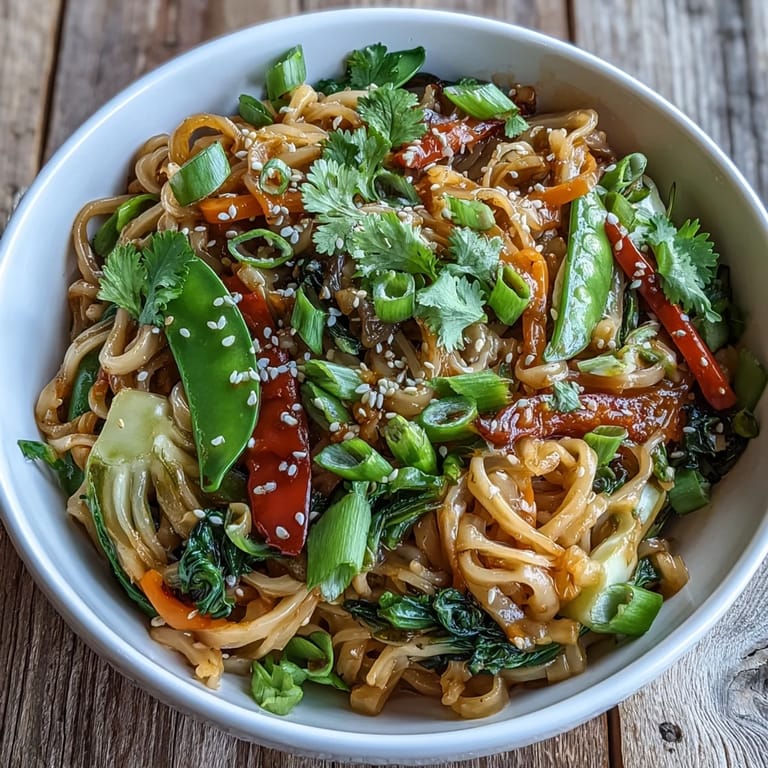
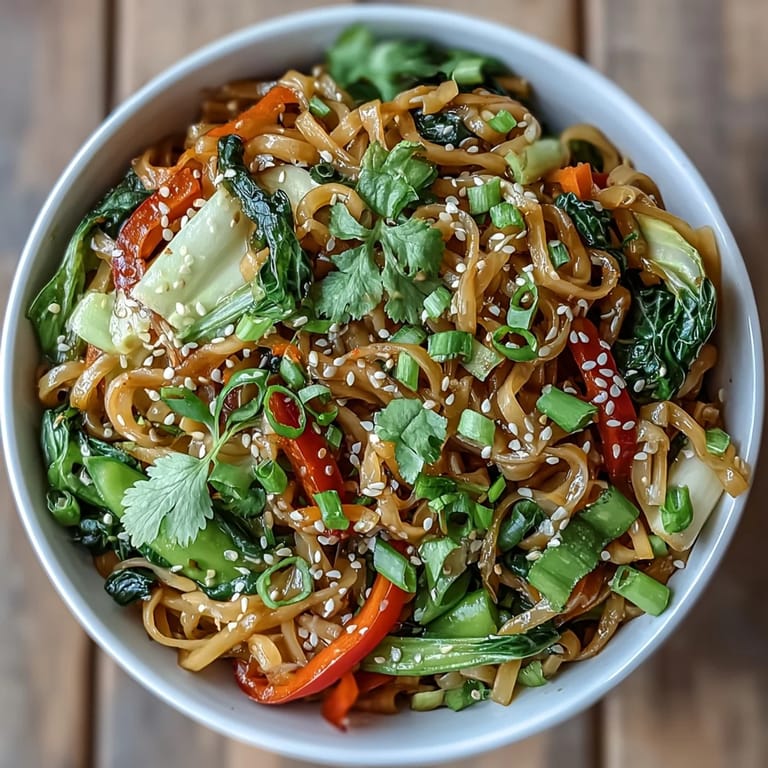
- Divide between bowls and top with remaining green onions, toasted sesame seeds, and cilantro or basil if you're using it. Serve immediately because this is best when the vegetables are still warm and the bowl still has energy.
 Save to Pinterest
 I made this bowl for my mother on a weekend when she was thinking about changing how she eats, nervous that healthy meant boring. She took one bite and actually closed her eyes—not in the grateful-for-sacrifice way, but in the genuine, delicious way. That's when I realized this wasn't about restriction at all; it was about flavor that happens to be light.
The Magic of the Ginger Sauce
The sauce is honestly where the entire recipe lives, and I spent probably too long perfecting the ratio. Ginger-forward but not aggressive, sesame oil-rich without being oily, acidic enough to feel bright—it's the difference between a virtuous salad and something you genuinely want to eat. The toast warmth comes from ginger, the umami from tamari, and the complexity from that combination sitting together in the pan for just long enough.
Making It Your Own
This bowl is forgiving in the best way—the structure holds even when you improvise. I've made it with mushrooms instead of snow peas on weeks when snow peas weren't available, and with broccoli when I was being particularly virtuous. The ginger sauce works with almost any vegetable you have in your crisper drawer, which means this recipe lives in the rotation year-round without ever feeling stale.
Protein and Customization
While the bowl is satisfying on its own, adding protein makes it feel more substantial without losing the lightness. I've done grilled tofu on busy weeks, tempeh when I want something earthier, and on non-vegan evenings, shrimp transforms it into something restaurant-quality. The sauce carries all of these well, and nothing overpowers the vegetables or shirataki noodles.
- Pressed tofu cubes, fried in sesame oil until golden, add texture and absorb the sauce completely.
- Tempeh strips bring a nuttiness that echoes the sesame and ginger beautifully.
- Shrimp cooks in three minutes flat and lets you feel like you've made something fancy on a weeknight.
 Save to Pinterest
 This bowl has become the thing I make when I want to eat well without pretending to enjoy it. It's proof that healthy food doesn't have to taste like you're being punished for something.
Recipe FAQs
- → What do shirataki noodles taste like?
Shirataki noodles have a very mild, neutral flavor that absorbs surrounding sauces beautifully. Their texture is slightly chewy and gelatinous, similar to glass noodles. The key is rinsing them thoroughly and patting them dry before cooking to remove any natural aroma.
- → Can I add protein to this bowl?
Absolutely. Grilled tofu, baked tempeh, edamame, or cooked shrimp all work wonderfully. For a vegan option, try crispy baked tofu cubes or marinated tempeh strips. Add the protein during the last few minutes of cooking so it warms through with the noodles.
- → How do I store leftovers?
Store components separately in airtight containers for up to 3 days. Keep the noodles and vegetables in one container and the sauce in another. When reheating, add a splash of water to refresh the vegetables and prevent the noodles from becoming too dry.
- → Can I substitute the vegetables?
Feel free to swap in broccoli florets, sliced mushrooms, snap peas, or shredded cabbage based on what you have available. The key is using vegetables that maintain some crunch when quickly stir-fried. Aim for a colorful mix for visual appeal.
- → Is this dish truly gluten-free?
Yes, when using certified gluten-free tamari instead of soy sauce. Always check labels on your shirataki noodles and other ingredients to ensure they're manufactured in gluten-free facilities if you have severe sensitivities.
- → Why boil the noodles before stir-frying?
Boiling for just 2 minutes helps remove any residual packaging flavor and improves the texture by softening the noodles slightly. This quick par-cooking ensures they better absorb the ginger sauce during stir-frying and don't taste rubbery.