 Save to Pinterest
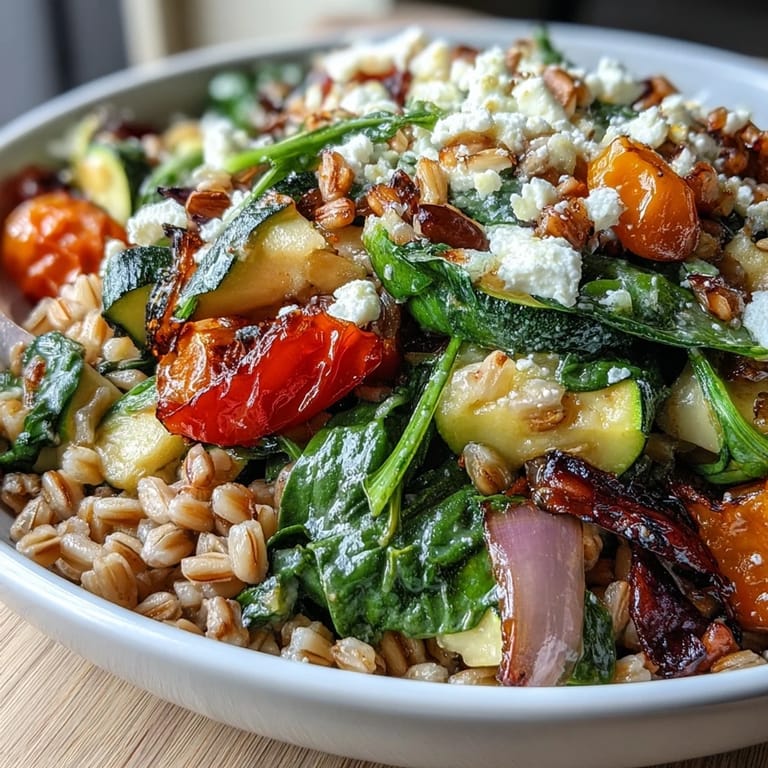
 There's something about the way farro catches light when it's cooking that makes me slow down. A friend brought a bowl of this to a potluck last summer, and I watched people go back for thirds, their forks scraping the bottom of the bowl for every last nugget of nutty grain and charred vegetable. That's when I realized this wasn't just a salad or a side dish—it was the kind of meal that actually satisfies.
I made this for a weeknight when my partner came home exhausted from work, and instead of reaching for takeout, I tossed everything together in about thirty minutes. Watching them light up at the table—actually tasting their food instead of just eating—reminded me that the best meals aren't complicated, they're just made with attention.
Ingredients
- Farro pasta (250 g): This grain has a nutty, almost earthy flavor that's deeper than regular wheat pasta, and it holds its texture without getting mushy if you nail the al dente point.
- Zucchini (1 medium, diced): Dicing it roughly lets it caramelize slightly at the edges while staying tender inside.
- Red and yellow bell peppers (1 of each, diced): The mix gives you sweetness and color, but honestly, whatever peppers you have on hand will work beautifully.
- Cherry tomatoes (150 g, halved): Their natural juices become part of the sauce when they're sautéed, so don't skip them even if you think they seem delicate.
- Baby spinach (100 g): It wilts in seconds, adding an earthy note and sneaking in vegetables without any fuss.
- Red onion (1 small, finely sliced): The sharp bite mellows when cooked and brings a subtle sweetness that anchors the whole dish.
- Garlic (2 cloves, minced): Mince it fine so it distributes evenly and doesn't overpower anything.
- Extra virgin olive oil (60 ml): This is your dressing base, so grab something you actually like tasting on its own—it makes a real difference.
- Lemon juice (2 tbsp, freshly squeezed): Fresh juice cuts through the richness and brightens everything; bottled won't give you that same lift.
- Dried oregano (1 tsp): It's the backbone of the Mediterranean flavor, so don't skip it or use fresh here because dried actually works better.
- Sea salt and black pepper (1/2 tsp and 1/4 tsp): Season as you go so you can taste how the flavors build.
- Feta cheese (60 g, crumbled): It adds a tangy, salty contrast that makes everything taste more intentional.
- Fresh parsley and toasted pine nuts (optional garnishes): These aren't essential, but they add texture and a final burst of freshness.
Tired of Takeout? 🥡
Get 10 meals you can make faster than delivery arrives. Seriously.
One email. No spam. Unsubscribe anytime.
Instructions
- Get your water ready:
- Fill a large pot about three-quarters full with water, add salt until it tastes like the sea, and bring it to a rolling boil. This takes longer than you think, so start here while you're prepping vegetables.
- Cook the farro pasta:
- Once the water is boiling, add your farro pasta and stir it a couple times so nothing sticks to the bottom. Check it a minute before the package says it's done—you want it tender but with a tiny bit of resistance when you bite it.
- Sauté your aromatics:
- While the pasta is cooking, heat olive oil in a large skillet over medium heat and toss in your onion and garlic. The kitchen will smell incredible in about two minutes, which is your signal to move forward.
- Build the vegetable base:
- Add your zucchini, bell peppers, and cherry tomatoes to the skillet, letting them cook undisturbed for a minute so they can pick up color. Stir and cook for another 6-8 minutes until they're softened but still have a bit of snap.
- Wilt in the spinach:
- Dump in your baby spinach and just let it sit for a moment before stirring—it'll transform into tender ribbons in less than two minutes. Once it's wilted, pull the skillet off the heat.
- Make your dressing:
- In a small bowl, whisk together the remaining olive oil, lemon juice, oregano, salt, and pepper until the oregano softens and releases its flavor. Taste it before it meets the pasta—it should be balanced between bright, salty, and herby.
- Bring it together:
- Drain your cooked pasta and add it to the large skillet with the vegetables, then drizzle the dressing over everything. Toss gently so the pasta picks up all the vegetable bits and gets coated evenly.
- Finish and serve:
- Divide into bowls and top with crumbled feta, a scatter of parsley, and a handful of pine nuts if you've got them. Serve warm or let it sit at room temperature while the flavors get to know each other better.
 Save to Pinterest
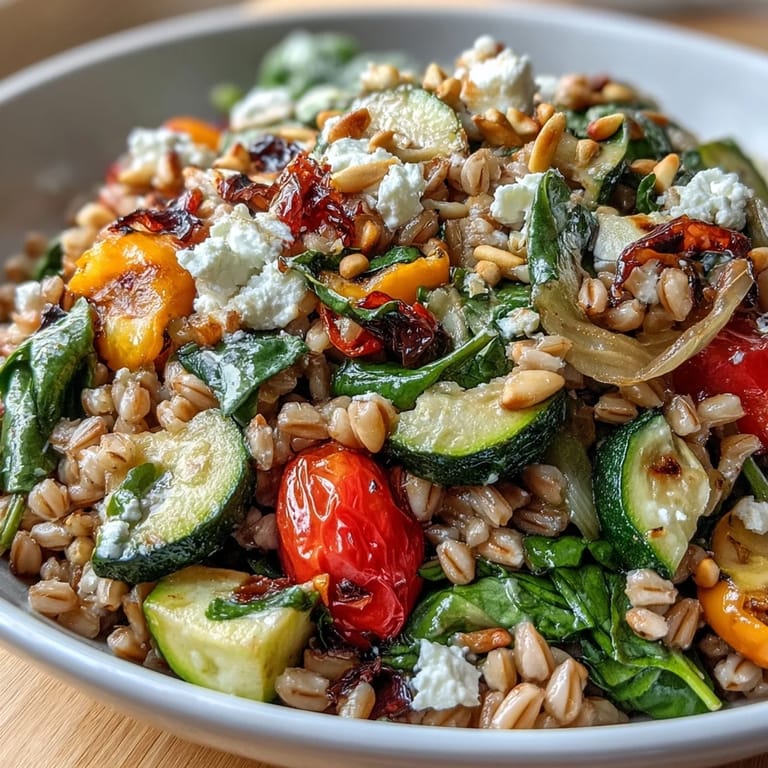
 Last summer I brought a big batch of this to a friends dinner, and we ended up passing the serving bowl around the table for an extra twenty minutes while everyone told stories. That's when I understood that this bowl isn't just nourishing—it's a moment where people actually want to slow down together.
Why This Dish Becomes a Regular
Once you make this, you'll find yourself coming back to it because it ticks every box without demanding much from you. The ratio of grain to vegetables to dressing feels intuitively right, like someone figured out the math a long time ago and passed it forward. It's forgiving enough that you can swap vegetables based on what's in your crisper drawer, yet structured enough that it never tastes thrown together.
Transforming Leftovers
This bowl actually improves a day later, when the farro has absorbed more of the dressing and the flavors have deepened into something almost silky. I keep a batch in my fridge all week and eat it straight from the container on mornings I don't have time to think about breakfast, or on evenings when I need something that tastes intentional but requires zero effort.
When You Want to Make It Your Own
The beauty of this template is that it bends to whatever you have and whoever you're feeding. I've made it with grilled chicken stirred in for someone who needed more protein, and with crispy chickpeas for a vegan friend who wanted it heartier. The farro and the dressing are your anchor points—everything else is conversation between you and your kitchen.
- Swap any vegetables you have—roasted cauliflower, diced cucumbers, thinly sliced artichoke hearts all work beautifully.
- If you can't find farro pasta, regular whole wheat pasta or even quinoa will give you a similar wholesome vibe and texture.
- Make the dressing ahead of time and let it sit for an hour so the oregano blooms and the flavors become more pronounced.
 Save to Pinterest
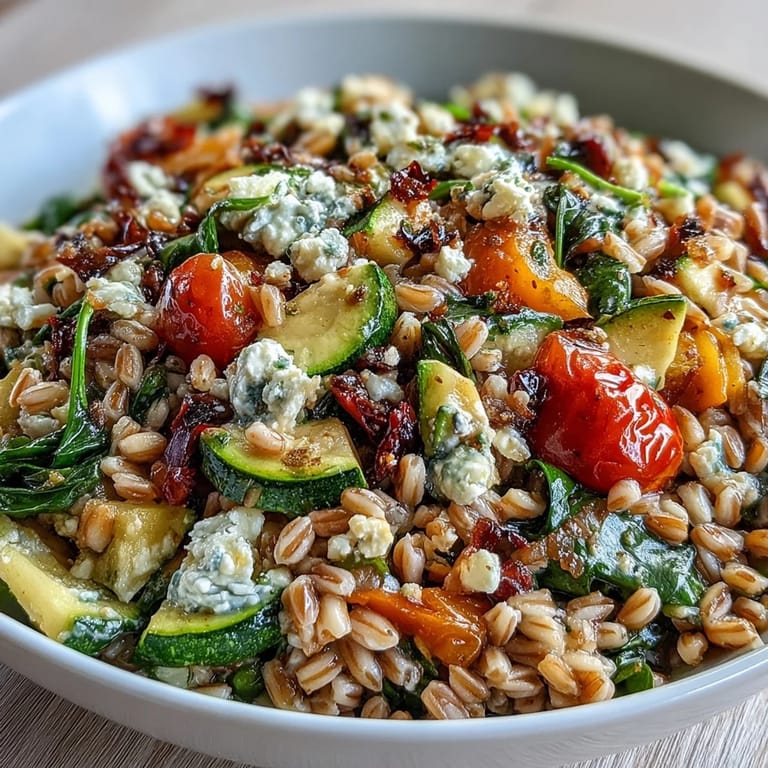
 This recipe has become my answer to the question of what to make when you want something that feels both nourishing and effortless. It's a bowl that welcomes you back every time.
Recipe FAQs
- → Can I use regular farro instead of farro pasta?
Yes, whole farro works perfectly as a substitute. Cook the grains for approximately 20-25 minutes until tender but still slightly chewy. The texture will be heartier than pasta, but equally delicious in this Mediterranean bowl.
- → Is this dish suitable for meal prep?
Absolutely. This farro bowl stores beautifully in the refrigerator for 3-4 days. The flavors actually improve as the ingredients meld together. Keep the dressing separate if you prefer to add it fresh before serving.
- → How can I make this vegan?
Simply omit the feta cheese or replace it with a plant-based feta alternative. The dish remains satisfying and protein-rich without dairy. You could also add extra vegetables or chickpeas for additional substance.
- → Can I serve this cold?
Yes, this bowl works wonderfully as a cold salad. The farro maintains its texture well when chilled, and the Mediterranean flavors taste refreshing at room temperature or cold. Perfect for summer gatherings or lunch boxes.
- → What other vegetables can I use?
Eggplant, artichoke hearts, cucumber, or roasted red peppers all complement the Mediterranean profile. Feel free to adapt based on what's in season or available in your kitchen.
- → Can I substitute the farro entirely?
Whole wheat pasta, quinoa, or barley make excellent alternatives. Adjust cooking times accordingly—quinoa cooks faster in about 15 minutes, while barley may take longer than farro.