 Save to Pinterest
 My kitchen smelled like roasted earth the first time I experimented with beet hummus on a lazy Sunday afternoon. I'd bought a bunch of beets at the farmer's market, drawn in by their deep jewel tones, and had no real plan beyond curiosity. Something about combining their natural sweetness with tahini's nuttiness felt instinctively right, so I wrapped one in foil, turned on the oven, and figured it out from there. What emerged was this stunning magenta dip that tasted like it belonged in a Mediterranean kitchen, even though I'd barely left my own.
Years later, I made this hummus for a potluck where everyone had overcommitted to ambitious dishes. My simple beet version sat on the table looking almost humble beside elaborate casseroles and fancy desserts, yet it disappeared fastest—people kept returning to it with pita chips, asking if I'd share the recipe. That's when I realized some of the best food isn't about complexity; it's about balance and knowing when to stop tinkering.
Ingredients
- 1 medium beet (about 180 g), trimmed and scrubbed: Choose beets roughly the size of your fist so they roast evenly and develop that concentrated sweetness that grounds the whole dip.
- 1 small garlic clove, peeled: One small clove is plenty—it should whisper in the background, not announce itself, so go easy here.
- 400 g (1 can) chickpeas, drained and rinsed: Rinsing matters more than you'd think; it removes the starchy liquid that clouds the final texture and makes everything creamy instead.
- 3 tbsp tahini: Use paste from a good jar where the oil hasn't separated into a slick on top, or stir it back in if it has—quality tahini makes the whole dip taste grounded and rich.
- 2 tbsp fresh lemon juice (about 1 lemon): Freshly squeezed tastes entirely different from bottled, bright instead of plastic-tinged, so don't skip this small step.
- 2 tbsp extra-virgin olive oil, plus more for drizzling: The drizzle at the end isn't decoration—it protects the hummus from air and tastes like finishing a thought you didn't know you were thinking.
- ½ tsp ground cumin: Toast this in a dry pan for 30 seconds before adding if you want it to sing rather than fade into the background.
- ¼ tsp sea salt, or to taste: Start conservative and taste as you go; salt amplifies everything else, so a light hand here means you control the final flavor.
- 2–3 tbsp cold water (as needed): Add this gradually to reach your preferred texture—some days you'll want it thick enough to mound on a spoon, other days silky and spreadable.
Tired of Takeout? 🥡
Get 10 meals you can make faster than delivery arrives. Seriously.
One email. No spam. Unsubscribe anytime.
Instructions
- Roast the beet until it smells like caramelized earth:
- Wrap your beet tightly in foil and slide it onto a baking sheet at 200°C (400°F) for 40–45 minutes, until a fork slides through with zero resistance. The skin will loosen as it cools, peeling away almost like paper once you run it under cold water.
- Combine everything in the food processor:
- Add the cooled, peeled beet, drained chickpeas, garlic, tahini, lemon juice, olive oil, cumin, and salt all at once, then pulse until the mixture looks like wet sand. Scrape the sides often so nothing hides at the bottom and escapes the blades.
- Stream in water until it flows like silk:
- Turn the processor back on and drizzle cold water in, one tablespoon at a time, until the hummus moves smoothly when you stir it. Too thick and it becomes a paste; too thin and it loses personality, so find that sweet middle ground.
- Taste and adjust for balance:
- Dip a spoon in and really taste it—does it need more salt to wake up the flavors, or more lemon to brighten the earthiness? This is where your palate becomes the recipe.
- Transfer to a bowl and finish it properly:
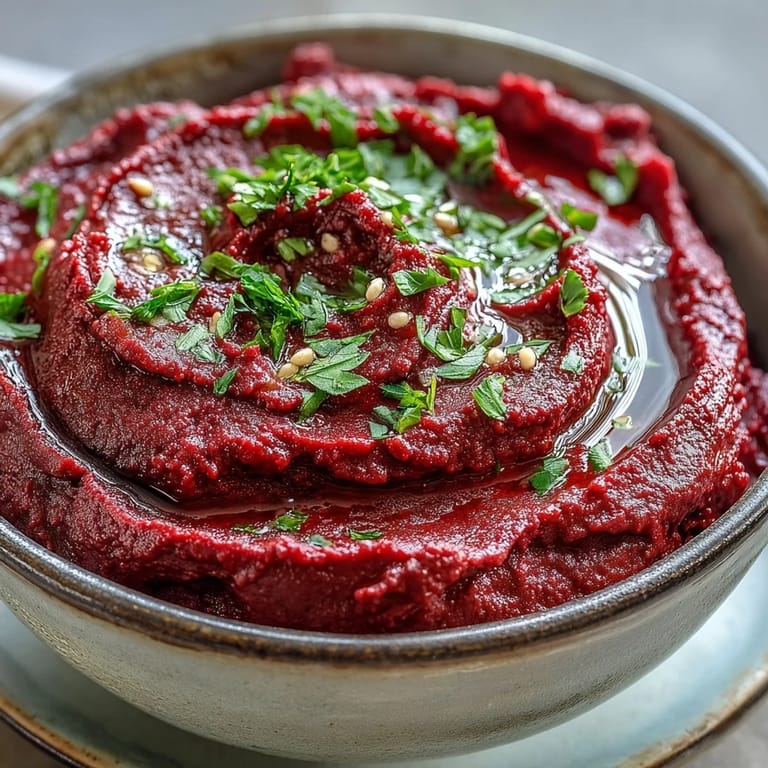
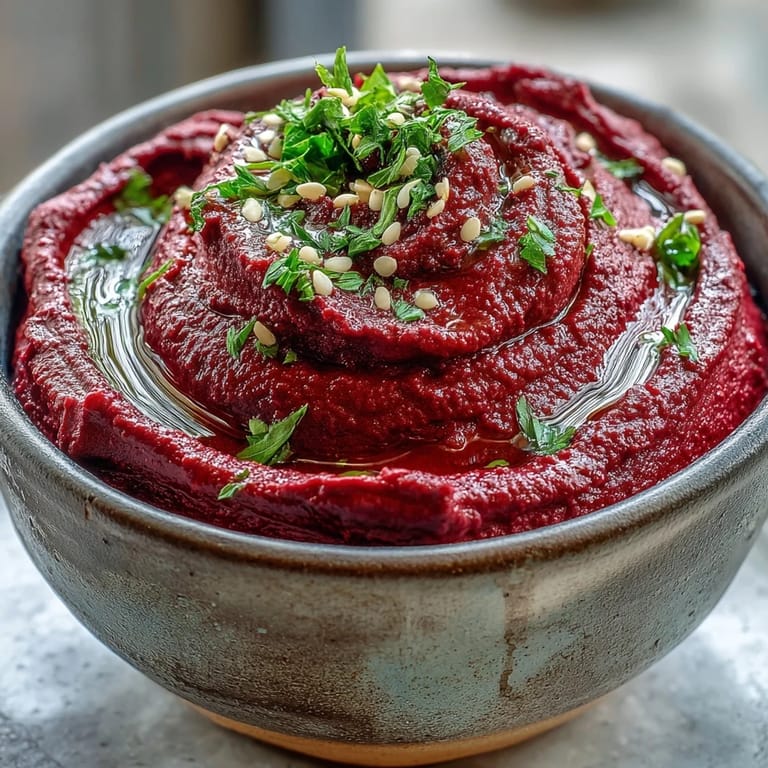
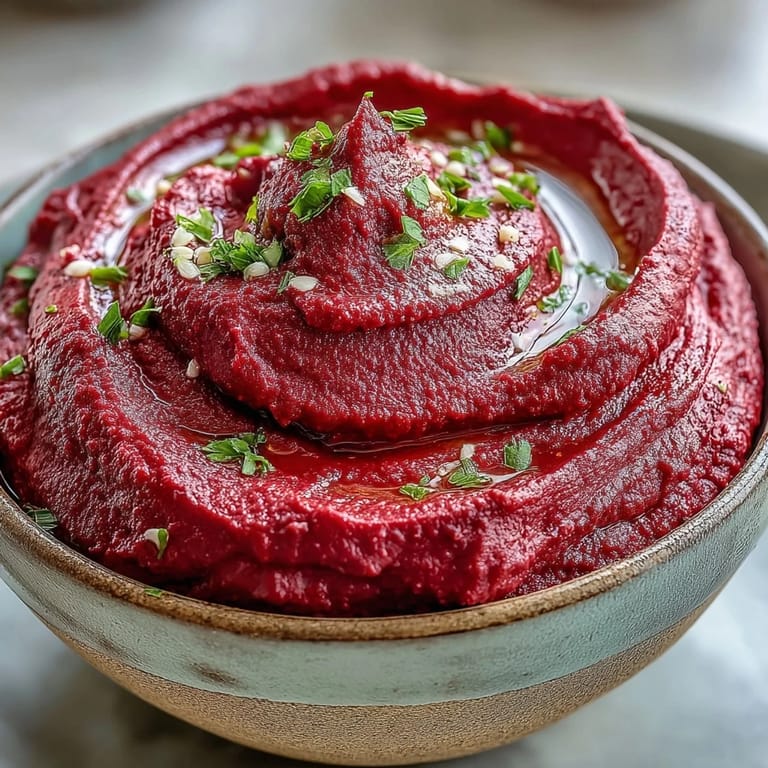
- Spoon the hummus into a serving bowl and drizzle a generous line of olive oil across the top, letting it pool slightly in the center. A pinch of cumin, sesame seeds, or fresh parsley adds visual interest without changing the conversation.
 Save to Pinterest
 I served this hummus at a dinner party once when I was nervous about cooking for new friends, unsure if they'd appreciate my interpretation of something traditional. One guest dipped a carrot stick and looked confused, then asked if it was beet-based, and something about that moment—the surprise, the conversation that followed about color and flavor—made me realize how often we judge food before we understand it.
Why This Dip Deserves Space in Your Rotation
Beet hummus occupies a middle ground between familiar and surprising that works for almost any occasion—casual weeknight snacking, impressive entertaining, or that moment when you need something wholesome without effort. It's one of those recipes that makes you feel like you're being adventurous and responsible in the same breath, which is harder to pull off than it sounds. The roasting transforms a raw vegetable into something almost candy-sweet, while the tahini and lemon keep everything grounded in reality instead of veering into dessert territory.
Serving Suggestions That Actually Work
I've learned through trial and error that this hummus has opinions about what it wants to accompany. Crispy pita chips are the obvious choice, but it also thrives alongside thinly sliced raw vegetables—particularly cool, clean cucumber and bell pepper that provide contrast to the hummus's warmth and earthiness. It makes a stunning spread for grain bowls or sandwiches, where it adds color and richness without the heaviness of mayonnaise, and I've even spooned it straight onto roasted vegetables as a finishing touch.
Storage and Keeping This Dip Fresh
An airtight container in the refrigerator keeps this hummus vibrant and safe for up to four days, though you'll notice the color deepens slightly as it sits—oxidation is normal and doesn't affect the taste. If the surface looks dry after a day or two, add another thin drizzle of olive oil on top to seal out air and revive the appearance. The longer it sits, the flavors deepen and mellow slightly, so some people prefer it fresh while others swear it tastes better after a day of resting.
- Freeze it in small portions using ice cube trays if you want it on hand for impromptu snacking or last-minute entertaining.
- If the hummus separates or looks grainy when thawed, stir in a tablespoon of water and blend briefly to restore the smooth texture.
- Don't add fresh garnishes like parsley until just before serving, or they'll wilt and lose their brightness.
 Save to Pinterest
 This dip became my secret solution to cooking for people with different preferences—vegan, gluten-free, omnivore, adventure-seeker, or cautious—because it speaks everyone's language without ever being boring. It's proof that sometimes the best recipe is the one that looks beautiful on the table and tastes even better.
Recipe FAQs
- → What does roasted beet hummus taste like?
Roasted beet hummus has a naturally sweet, earthy flavor from the beets balanced by tangy lemon and nutty tahini. The roasting process intensifies the beet's natural sugars, creating a depth that pairs perfectly with garlic and cumin.
- → How long does roasted beet hummus last?
Store in an airtight container in the refrigerator for up to 4 days. The flavors actually develop and meld over time, often tasting even better on day two or three.
- → Can I use canned beets instead of fresh?
While fresh roasted beets provide the best flavor and texture, you can substitute canned beets in a pinch. Just be sure to drain them well and adjust the seasoning as canned beets may be slightly more acidic.
- → Is roasted beet hummus gluten-free?
Yes, this naturally gluten-free dip contains only beets, chickpeas, tahini, lemon, olive oil, and spices. Always verify your tahini and other ingredients are certified gluten-free if you have celiac disease or severe sensitivity.
- → What can I serve with beet hummus?
Serve with pita chips, fresh vegetables like carrots and cucumber, crackers, or use as a sandwich spread. It also makes a beautiful base for grain bowls or a topping for roasted vegetables.
- → How do I get the smoothest texture?
Roast the beet until completely tender, blend for 2-3 minutes, and add cold water one tablespoon at a time while the motor runs. Scrape down the sides frequently to ensure everything gets incorporated evenly.