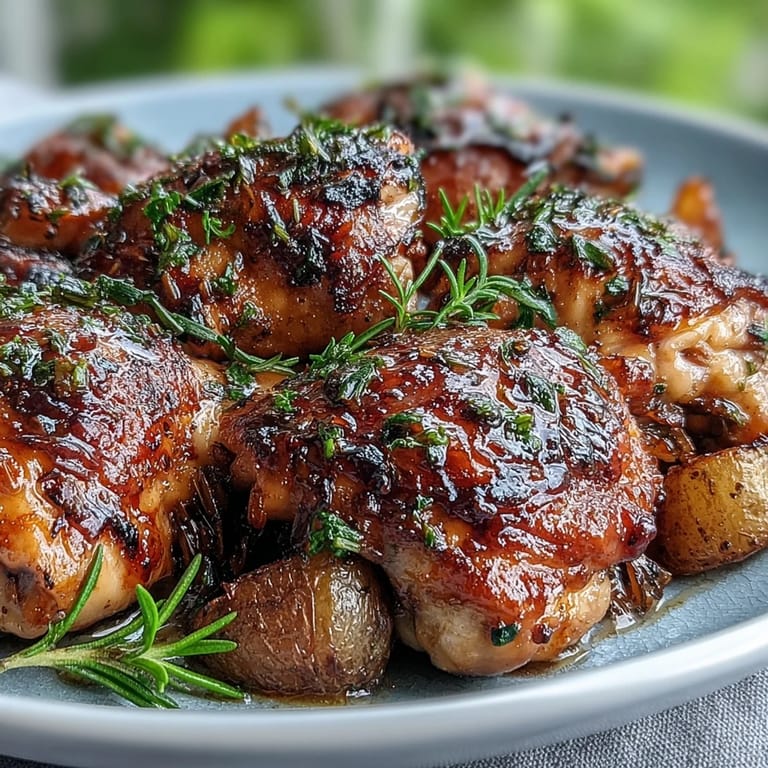
 Save to Pinterest
 My neighbor knocked on the door one April evening with a bottle of wine and a question: could I make something special for her book club that wouldn't feel heavy or fussy? That's when this lemon herb roasted chicken came to life—a dish that looks restaurant-worthy but doesn't demand hours of fiddling around. The magic happens when you let the bright citrus and fresh herbs do the talking, transforming a simple bird into something that smells like springtime itself.
That book club dinner taught me something I hadn't expected: when you pull a golden roasted chicken from the oven and let it rest while your guests take their seats, everyone goes quiet. Not awkward quiet, but the kind where they're genuinely waiting. My neighbor's eyes got a little misty when she tasted it, and she admitted later it was the first time in months she'd felt like eating something beautiful again.
Ingredients
- 1 whole chicken (about 4 lbs), giblets removed: Pat it completely dry before anything else—this is the secret to golden, crispy skin that actually crackles.
- 3 tbsp olive oil: Good olive oil carries flavor in a way that cheaper oils can't, and you'll taste the difference in every bite.
- 2 lemons (1 zested and juiced, 1 sliced): The zest gives bright, concentrated flavor while the juice keeps everything tender and cuts through the richness.
- 4 cloves garlic, minced: Don't use the pre-minced jar stuff here—fresh garlic becomes sweet and mellow when roasted, completely different from sharp.
- 2 tbsp fresh rosemary, finely chopped: Rosemary can overpower quickly, so chop it small so it distributes evenly and doesn't end up like pine needles in one bite.
- 2 tbsp fresh thyme, finely chopped: Thyme is more delicate than rosemary and adds an earthy, almost minty undertone that balances the brightness.
- 1 tbsp fresh parsley, finely chopped: Parsley seems humble but it keeps the herb profile from feeling too heavy or one-note.
- 1½ tsp sea salt, 1 tsp freshly ground black pepper: Sea salt dissolves better than table salt and tastes cleaner—freshly ground pepper actually makes a noticeable difference here.
- 2 lbs baby potatoes, halved: Halving them means they cook in the same time as the chicken and get those golden, crispy edges.
Tired of Takeout? 🥡
Get 10 meals you can make faster than delivery arrives. Seriously.
One email. No spam. Unsubscribe anytime.
Instructions
- Get your oven ready and dry your bird:
- Preheat to 425°F and pat the chicken inside and out with paper towels until it's completely dry. This step feels tedious but it's what creates that golden, crackling skin instead of pale, rubbery skin.
- Make your herb paste:
- Combine the olive oil, lemon zest, lemon juice, minced garlic, rosemary, thyme, parsley, salt, and pepper in a small bowl and stir until it looks like a vibrant, fragrant paste. You'll know you're doing it right when the bowl smells like spring.
- Coat the chicken inside and out:
- Coat the chicken inside and out:
- This is where patience pays off—rub the marinade everywhere, under the skin, in the cavity, all over the legs and thighs. Tuck those lemon slices inside the cavity so they perfume the meat while it roasts.
- Arrange your vegetables:
- Scatter the halved baby potatoes around the chicken in the pan, drizzle them with olive oil, season with salt and pepper, and toss gently so they're coated but not sitting in a puddle. They'll turn golden and crispy as the chicken cooks.
- Roast everything together:
- Put the whole pan in the oven for 1 hour and 10 to 15 minutes—the chicken is done when its juices run clear and a thermometer in the thickest part of the thigh reads 165°F. Start checking around the 1-hour mark so you don't overcook.
- Finish the potatoes if needed:
- If your potatoes are still pale when the chicken is done, remove the chicken, crank the oven to broil, and let the potatoes go another 5 to 7 minutes until they're golden and crispy. Watch them carefully so they don't burn.
- Rest and serve:
- Let the chicken rest for 10 minutes before carving—this keeps all the juices inside where they belong. Sprinkle fresh parsley over everything and bring it to the table while it's still steaming.
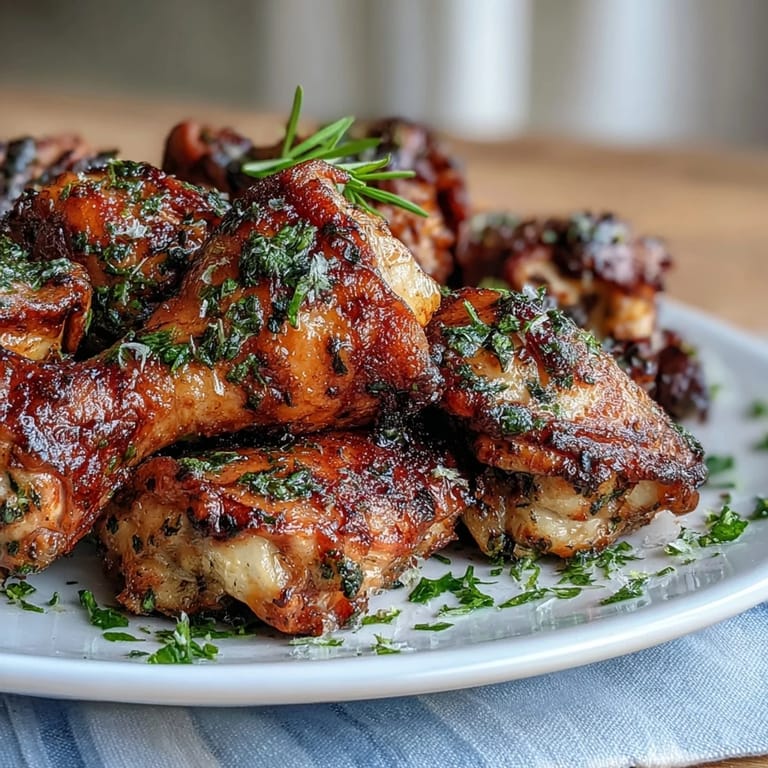 Save to Pinterest
 A month after that book club dinner, my neighbor brought me a photo from her phone—a picture she'd taken of the roasted chicken sitting on her table with everyone's hands reaching toward it. That's the moment I understood why this simple dish stuck with me: it's the kind of food that makes people want to gather closer.
Why This Works for Spring Entertaining
Spring has this particular energy where everyone's tired of heavy winter food but still wants something that feels substantial. This roasted chicken hits that sweet spot—it's bright and herbaceous without being salad-light, and it feeds a crowd without requiring you to be in the kitchen while your guests are sitting in the living room wondering if you've abandoned them. The combination of fresh herbs and citrus feels seasonal without being trendy or requiring ingredients that don't exist until June.
The Potatoes Are Not An Afterthought
Here's something I learned the hard way: roasting the potatoes in the same pan as the chicken means they absorb all the herby, lemony, meaty drippings that would normally just sit there. They become this amazing side dish that doesn't require its own recipe or any attention beyond a gentle toss at the beginning. Halving them instead of leaving them whole means they cook at the same pace as the chicken and get golden, crispy edges while staying tender inside.
Making It Your Own
The beauty of this recipe is that it's flexible enough to bend with whatever you have on hand or whatever you're craving that day. Spring vegetables like asparagus or slender carrots nestle in nicely around the potatoes, and fingerling potatoes work just as well as baby potatoes if that's what your market has. Some people add a splash of white wine to the bottom of the pan, and honestly, that's never a bad call.
- If you want deeper flavor, marinate the chicken up to 24 hours in advance and let the herbs really penetrate the meat.
- A dry Sauvignon Blanc or Chardonnay beside the plate makes everything taste better, which is not a coincidence.
- Leftovers are genuinely better than the original meal because the flavors continue developing as it sits in the fridge.
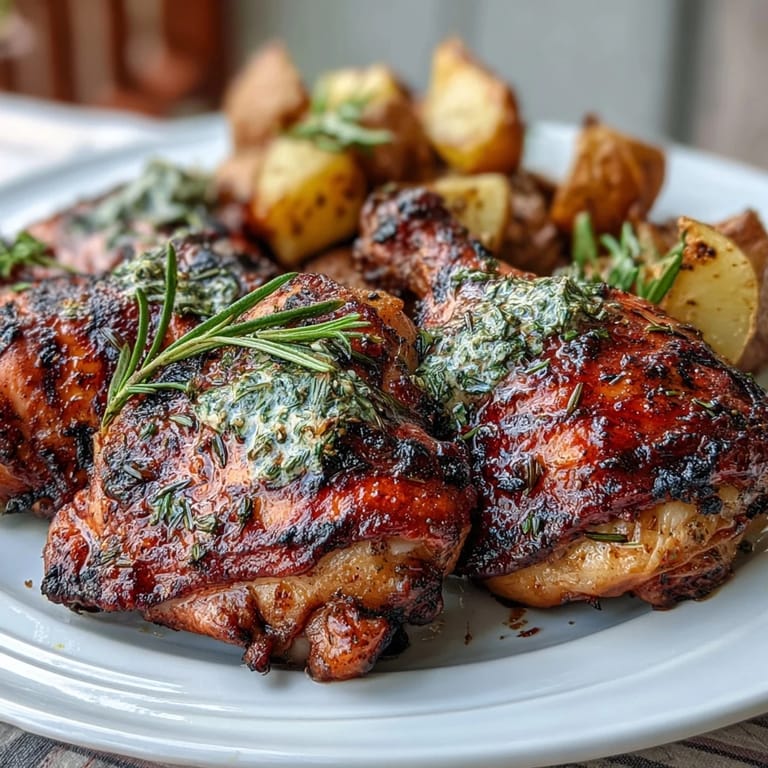 Save to Pinterest
 This is the kind of recipe that becomes a regular in your rotation not because it's complicated, but because it reliably makes people happy. That matters more than any perfectly plated restaurant dish ever will.
Recipe FAQs
- → How do I ensure the chicken stays juicy?
Pat the chicken dry before applying the marinade and roast at a steady temperature. Let it rest after roasting to allow juices to redistribute for moist, tender meat.
- → Can I substitute the baby potatoes?
Yes, fingerlings or small Yukon Gold potatoes work well and provide a similar texture and flavor profile.
- → What herbs complement the lemon flavor best?
Rosemary, thyme, and parsley pair beautifully with lemon, enhancing the chicken’s brightness and adding aromatic depth.
- → How do I get crispy potatoes?
Toss potatoes with olive oil and seasoning, roast alongside the chicken, then broil them briefly at the end to achieve a golden, crispy finish.
- → Is it better to marinate the chicken overnight?
Marinating for up to 24 hours intensifies flavor, allowing the lemon and herbs to deeply infuse the meat for enhanced taste.