 Save to Pinterest
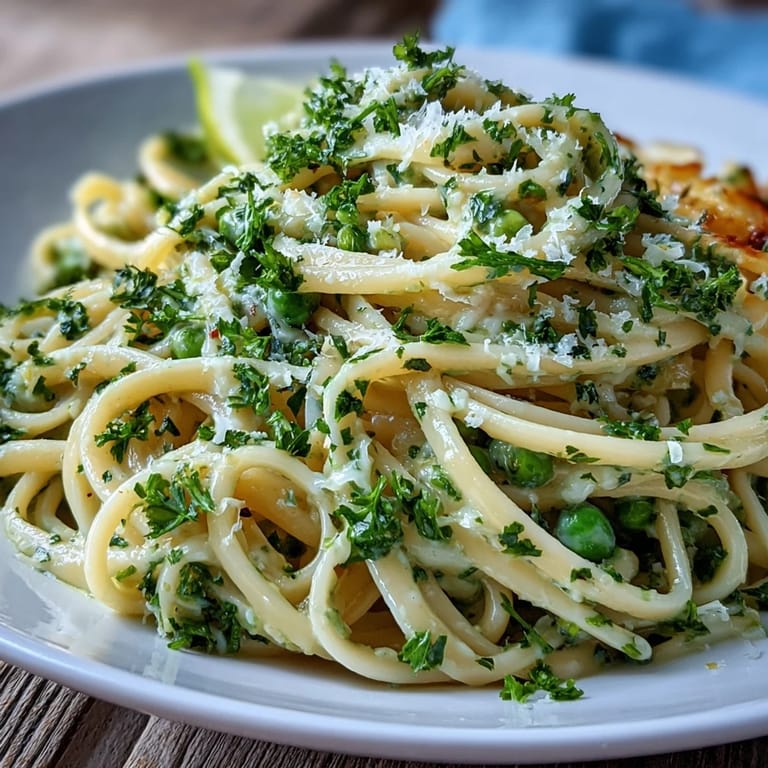
 My neighbor knocked on the door one April evening with a handful of fresh peas from her garden, still in their pods, asking if I wanted them before they got too starchy. I had linguine in the pantry and butter in the fridge, so I decided to improvise right then and there. What emerged from my kitchen twenty minutes later was so bright and buttery that she asked for the recipe on the spot, even though I'd essentially made it up as I went along.
I've made this dish for my family on countless spring evenings, and there's something about the smell of lemon and butter that just signals warmth and togetherness. My kids, who usually push vegetables to the edge of their plates, somehow don't notice they're eating peas when they're nestled into pasta like this.
Ingredients
- Linguine or spaghetti (12 oz): The thin strands catch the sauce beautifully, but honestly, any long pasta works if that's what you have on hand.
- Fresh or frozen green peas (1 cup): Fresh from the market or farmers stand tastes noticeably sweeter, but frozen peas are reliable and honestly just as good when cooked gently.
- Garlic (2 cloves, minced): Don't skip the mincing step; whole cloves won't distribute the flavor evenly through the sauce.
- Lemon zest and juice (1 lemon): Use a microplane zester if you have one; it makes all the difference in texture and distributes the brightness more evenly than a box grater.
- Fresh parsley (2 tbsp, chopped): This adds a fresh herbal note at the end that lifts the entire dish, so resist the urge to skip it.
- Unsalted butter (4 tbsp): Good quality butter makes a noticeable difference here since it's the foundation of your sauce, so splurge a little if you can.
- Grated Parmesan cheese (1/2 cup, plus more for serving): Freshly grated melts more smoothly than pre-shredded, which contains anti-caking agents that can make the sauce gritty.
- Salt and black pepper: Season in layers as you cook rather than all at once, so you can taste and adjust as you go.
Tired of Takeout? 🥡
Get 10 meals you can make faster than delivery arrives. Seriously.
One email. No spam. Unsubscribe anytime.
Instructions
- Boil the pasta with intention:
- Bring a large pot of salted water to a rolling boil, then add your pasta and stir immediately so it doesn't stick to itself. Cook until just al dente, which means it should have the tiniest bit of resistance when you bite it, not soft all the way through. Reserve a full cup of that starchy cooking water before you drain, because that liquid gold is what makes your sauce silky and helps it cling to the pasta.
- Build the sauce base gently:
- Melt butter in a large skillet over medium heat, then add your minced garlic and let it toast for just a minute until it becomes fragrant and turns a pale golden color. Watch it carefully here; if the garlic browns, it turns bitter and the whole sauce suffers.
- Add the peas with care:
- Toss in your peas and cook for a couple of minutes, just until they're heated through if frozen or tender if fresh. You're not cooking them to death, just warming them gently so they stay slightly firm and sweet.
- Brighten with citrus:
- Stir in your lemon zest first, letting it bloom in the warm butter for a few seconds, then add the juice and give everything a good stir. The acid balances the richness perfectly and should smell absolutely wonderful.
- Bring pasta and sauce together:
- Add your drained pasta directly to the skillet along with about half a cup of that reserved pasta water, then toss everything constantly so the starch from the water emulsifies with the butter and creates a glossy coating. Keep tossing for a minute or two until everything feels married together, not separate.
- Finish with cheese and heat:
- Sprinkle the Parmesan over the pasta while it's still in the warm skillet, add a pinch of salt and pepper, and keep tossing gently until the cheese melts and the sauce becomes silky and cream-colored. Add more pasta water a splash at a time if it looks too tight, remembering that the sauce will thicken slightly as it cools.
- Final flourish:
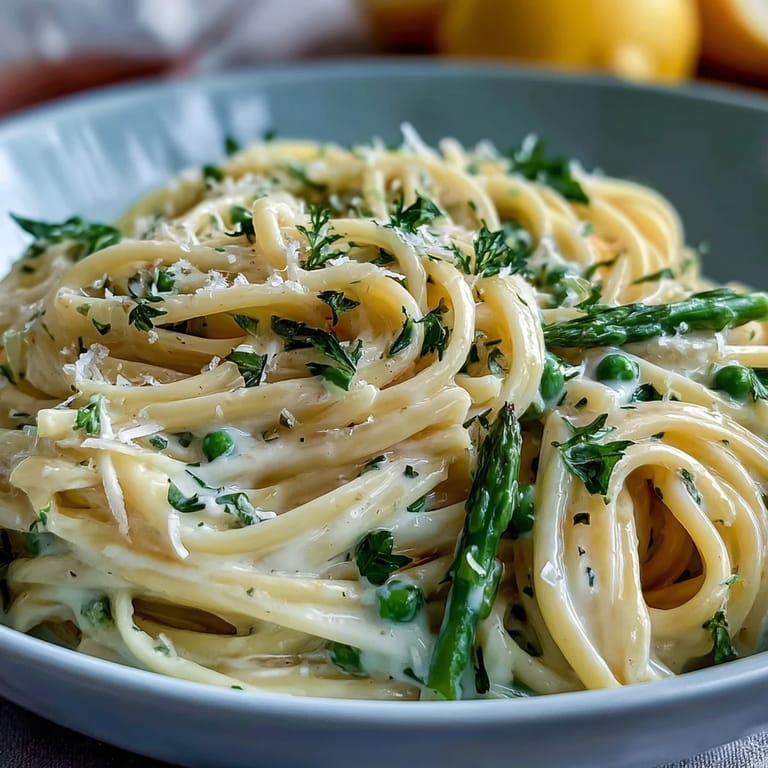
- Remove from heat, stir in your fresh parsley, taste everything one more time and adjust salt and pepper as needed. Serve immediately while the sauce is still glossy and the pasta is hot.
 Save to Pinterest
 There was a moment during my first dinner party with this dish when I watched my usually skeptical friend twirl pasta onto her fork, taste it, and then simply smile without saying anything. Sometimes food speaks louder than conversation, and that's when you know you've made something worth remembering.
The Magic of Timing
The secret to this dish lives entirely in the timing and temperature. Everything happens at a medium heat, nothing scorches, and the butter stays golden rather than brown. I learned this the hard way by making the sauce too hot early on and ending up with broken, greasy puddles instead of a cohesive coating. Now I take my time, and the difference is remarkable. The whole dish takes less than thirty minutes from start to finish, but it never feels rushed.
Variations That Keep It Interesting
While the base recipe is nearly perfect as is, I've played with variations depending on what's in my fridge or what the season calls for. Sometimes I'll add a handful of baby spinach or arugula right before serving for an earthy contrast, or toss in some crispy pancetta if I want to make it heartier. Once I added a splash of white wine to the butter before the lemon, and that subtle richness lingered throughout. The framework stays the same, but these small tweaks keep the dish from becoming routine.
Pairing and Serving Suggestions
Serve this immediately while everything is hot and the sauce still clings to each strand of pasta. A crisp Sauvignon Blanc or a light Pinot Grigio pairs beautifully, the acidity echoing the lemon in the dish. For a more complete meal, a simple green salad dressed with olive oil and a touch of vinegar cuts through the richness, and crusty bread is never unwelcome for soaking up any extra sauce that pools at the bottom of the bowl.
- Grate fresh Parmesan over the top of each serving rather than mixing it all in, so people can adjust the amount to their taste.
- A crack of fresh black pepper on each plate adds visual appeal and a gentle bite that lifts the whole dish.
- If you have lemon wedges on hand, serve them alongside so people can add more brightness if they want it.
 Save to Pinterest
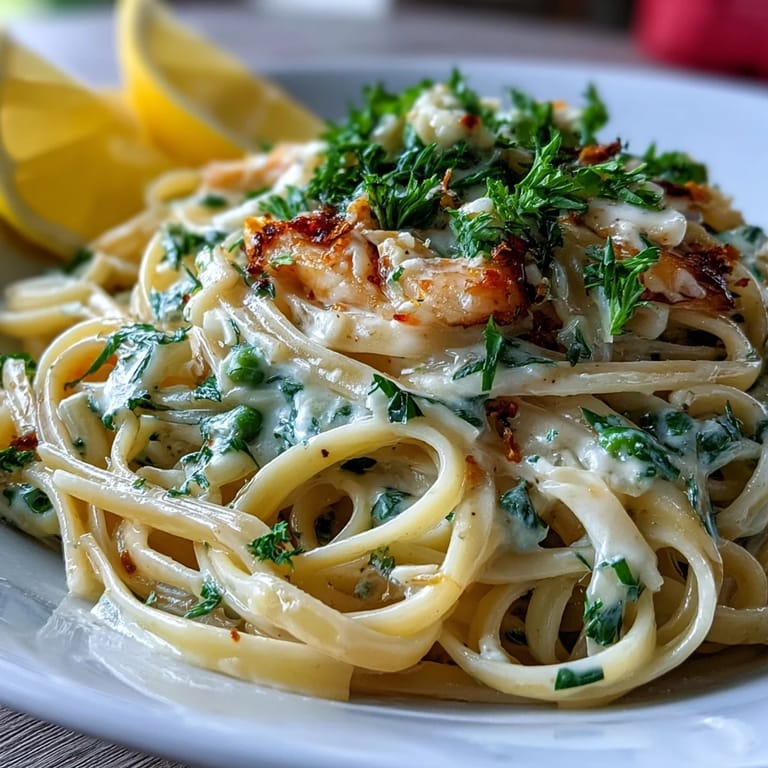
 This recipe has become my go-to when I want to feel like I've accomplished something in the kitchen without spending hours there. It reminds me that the simplest dishes, made with attention and intention, often leave the deepest impression.
Recipe FAQs
- → Can I use frozen peas for this dish?
Yes, frozen peas work well; simply cook them until heated through before combining with the sauce.
- → What type of pasta is best suited here?
Linguine or spaghetti are ideal as their shape holds the lemon-butter sauce nicely.
- → How can I make the sauce creamier?
Reserve some pasta cooking water and add gradually while tossing to achieve a silky, creamy texture.
- → Are there good variations to add protein?
Sautéed shrimp or grilled chicken can be added for extra protein and flavor.
- → What herbs complement this pasta?
Fresh parsley is classic here; you might also try basil or arugula for a peppery touch.