 Save to Pinterest
 There's something about a sheet cake that makes a celebration feel real. My cousin texted me three weeks before her graduation asking if I could make something special, and I found myself scrolling through photos of buttercream roses at midnight, completely mesmerized. When she opened that cake at her backyard party and saw those piped flowers catching the late afternoon light, the way her face lit up made me understand why bakers spend hours perfecting this single skill. This cake became the backdrop to her biggest milestone, and honestly, it felt like the right way to say congratulations.
I'll never forget the sound of the piping bag hitting the countertop when my friend Sarah first tried making roses for her daughter's graduation party. She laughed at herself, ate a spoonful of buttercream, and said maybe roses weren't her thing. By her third attempt, something clicked, and she piped twelve perfect blooms across the top. That's when I realized this recipe isn't about having a steady hand from the start, it's about giving yourself permission to practice on something this delicious.
Ingredients
- All-purpose flour (3 cups): Room temperature ingredients are the secret to a tender crumb, and flour's no exception because cold flour doesn't blend smoothly into the batter.
- Baking powder and baking soda (2½ tsp and ½ tsp): This combination gives you a cake that rises evenly and stays moist without feeling dense or gummy the next day.
- Salt (½ tsp): Just enough to make every other flavor pop without tasting salty itself.
- Unsalted butter for the cake (1 cup): Room temperature butter creams into the sugar and traps tiny air bubbles that make the texture pillowy soft.
- Granulated sugar (2 cups): This is what creates the tender crumb structure when creamed properly, so don't skip the full 3-4 minutes of beating.
- Eggs (4 large): Room temperature eggs mix in smoothly and help bind everything into a cohesive batter without streaking.
- Vanilla extract (1 tbsp for cake, 2 tsp for buttercream): Quality vanilla makes a difference you'll taste, so don't reach for the imitation here.
- Whole milk (1¼ cups): Room temperature milk prevents temperature shock when alternating with the flour mixture, keeping the batter emulsified.
- Unsalted butter for buttercream (1½ cups): Room temperature butter whips into a cloud-like frosting that holds piping details without deflating.
- Powdered sugar (6 cups): Sift it first, even though it feels like a pointless step, because lumps will show in your piped roses.
- Gel food coloring: Gel stays put and won't thin out your buttercream like liquid coloring does, which would make piping a nightmare.
Tired of Takeout? 🥡
Get 10 meals you can make faster than delivery arrives. Seriously.
One email. No spam. Unsubscribe anytime.
Instructions
- Set up your pan and preheat:
- Get your 12x18-inch sheet pan lined with parchment and your oven preheating to 350°F right now so the oven's ready when your batter is. This takes exactly two minutes but prevents that awkward waiting game where your batter sits in a bowl getting dense.
- Whisk your dry ingredients:
- Combine flour, baking powder, baking soda, and salt in a medium bowl and whisk them together thoroughly. This distributes the leavening agents evenly so you don't get a cake that rises in one spot and stays flat in another.
- Cream butter and sugar:
- Beat your room temperature butter and sugar together for a full 3-4 minutes until it looks pale, fluffy, and almost like wet sand. Listen for the change in the mixer's sound, this is when you know the air is incorporated and you're building the foundation for a tender cake.
- Add eggs one by one:
- Drop in one egg, beat until it disappears, then repeat three more times. Rushing this step means your batter might break and look separated, which affects the final texture.
- Mix in vanilla:
- Stir in your vanilla extract and let it combine for just a few seconds.
- Alternate flour and milk:
- Add about one-third of the flour mixture, mix until barely combined, then add half the milk, then another third of flour, then the remaining milk, then the last of the flour. Start and end with flour so the batter stays emulsified and smooth.
- Bake the cake:
- Pour into your prepared pan, smooth the top gently, and slide it into the oven for 30-35 minutes. You'll know it's done when a toothpick poked in the center comes out clean or with just a few moist crumbs, not wet batter.
- Cool completely:
- Leave the cake in the pan on a wire rack until it's completely cool to room temperature. Frosting a warm cake makes it slide around and look messy.
- Make your buttercream:
- Beat your room temperature butter until it's creamy and pale, about 1-2 minutes. Gradually add sifted powdered sugar in batches, then milk and vanilla, and keep beating until it's fluffy and holds stiff peaks.
- Tint your buttercream:
- Divide the frosting into bowls and use gel food coloring to tint portions for your roses (reds, pinks, yellows) and leaves (green), keeping some white for the base. Start with just a tiny dab of coloring because you can always add more but you can't take it out.
- Frost the base:
- Spread a thin, even layer of white buttercream over the cooled cake using an offset spatula. This gives you a smooth surface for piping and looks intentional rather than haphazard.
- Pipe your roses and decorations:
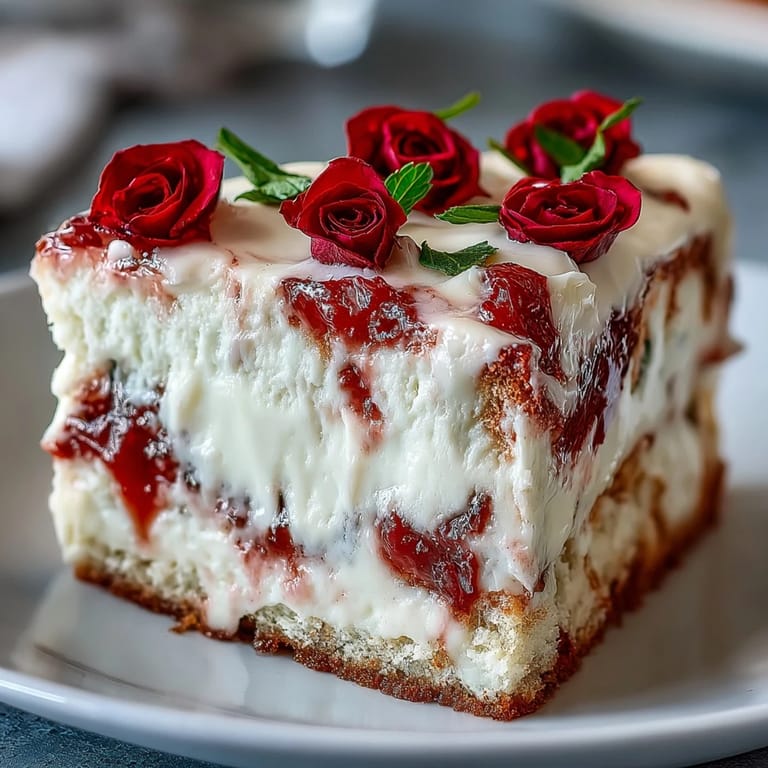
- Fit piping bags with a petal tip for roses and a leaf tip for greenery, then pipe your designs starting with roses in the corners and edges. Remember there's no such thing as a perfect rose, and slight imperfections make it look homemade and charming.
- Add your message:
- Switch to a small round tip and pipe your congratulations message or personalized text wherever it fits. Practice on a separate surface first if you're nervous about hand lettering.
 Save to Pinterest
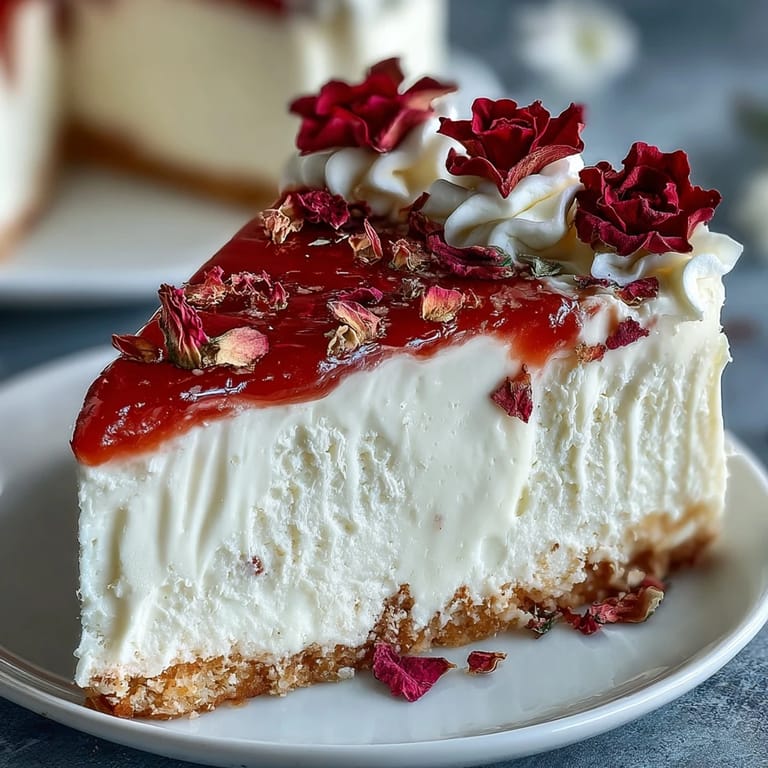
 I watched my mom's hands as she piped those final roses before the party started, and I realized she wasn't thinking about technique anymore. She was thinking about her daughter walking across that stage, and somehow that feeling translated into every flower she piped. Food has this quiet power to hold our emotions, and this cake became the sweetest way to say we're proud of you.
The Secret to Perfectly Tender Cake
The magic happens in the creaming step, and I learned this the hard way after skipping it years ago. When you cream butter and sugar, you're forcing tiny air bubbles into the butter, and those bubbles expand in the oven and create that soft, tender crumb that makes people's eyes close when they take a bite. The full 3-4 minutes isn't arbitrary, it's the time it takes for that chemical transformation to happen, and the pale, fluffy texture is your signal that it's worked.
Why Room Temperature Everything Matters
I used to think room temperature was a suggestion until I made a batch with cold eggs straight from the fridge and watched my batter break and separate. Cold ingredients don't mix smoothly with warm ingredients, so your emulsion falls apart and you end up with a dense, heavy cake instead of a cloud. Pull everything out about an hour before you start, and you'll taste the difference in every single bite.
Decorating with Confidence
The first time someone asks you to make a decorated cake, it feels impossibly fancy, but here's what I've learned after doing this dozens of times. Your hands will shake a little the first time, and that's okay because slight wobbles add character and no one's measuring your roses with a ruler. The buttercream forgives small mistakes, and if a rose doesn't turn out, you scrape it off and try again because you have plenty of frosting.
- Practice piping a few roses on the counter or a plate before committing to the cake, so your hand can feel the motion without the pressure.
- Keep your piping bag at a consistent angle and let the bag do the work while your hand guides it, not the other way around.
- Remember that Instagram-perfect cakes are often made by professionals with specialized training, and your slightly quirky roses taste exactly the same and mean just as much.
 Save to Pinterest
 This cake will become the centerpiece of someone's big moment, and that's what makes it matter. Bake it with the same love you'd want someone to use when celebrating you.
Recipe FAQs
- → What makes this cake moist?
The combination of butter, eggs, milk, and proper mixing creates a soft and tender crumb that stays moist.
- → How are the buttercream roses made?
Buttercream is tinted with gel food coloring and piped using petal and leaf tips to create detailed roses and leaves.
- → Can I prepare the cake ahead of time?
Yes, the cake can be baked and cooled in advance, but decorate close to serving for best freshness.
- → Is there a chocolate version available?
You can substitute ¾ cup of flour with cocoa powder to create a chocolate variation of this cake.
- → How should leftovers be stored?
Cover leftovers at room temperature for up to 2 days or refrigerate for up to 5 days to maintain freshness.